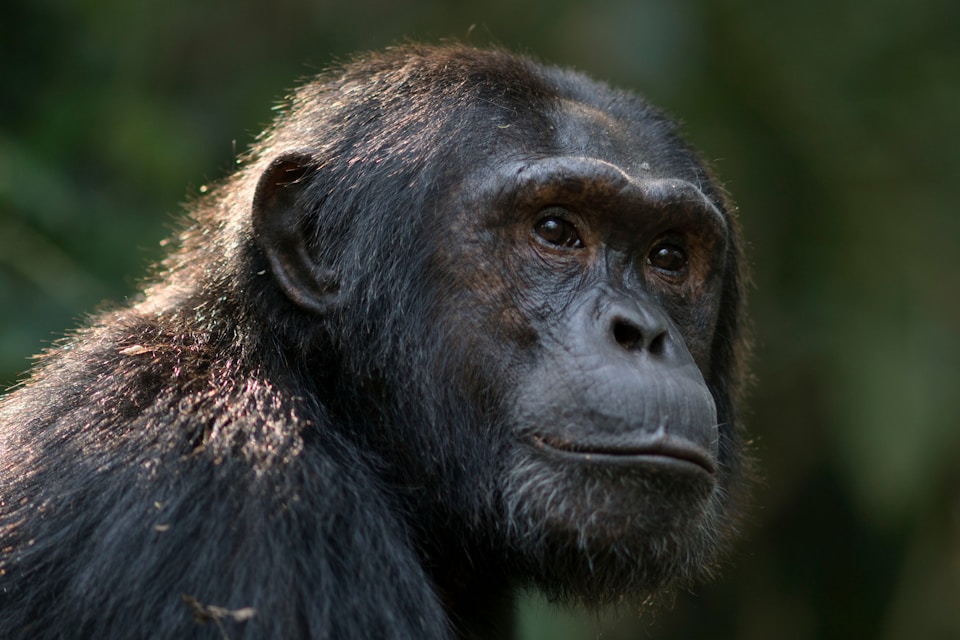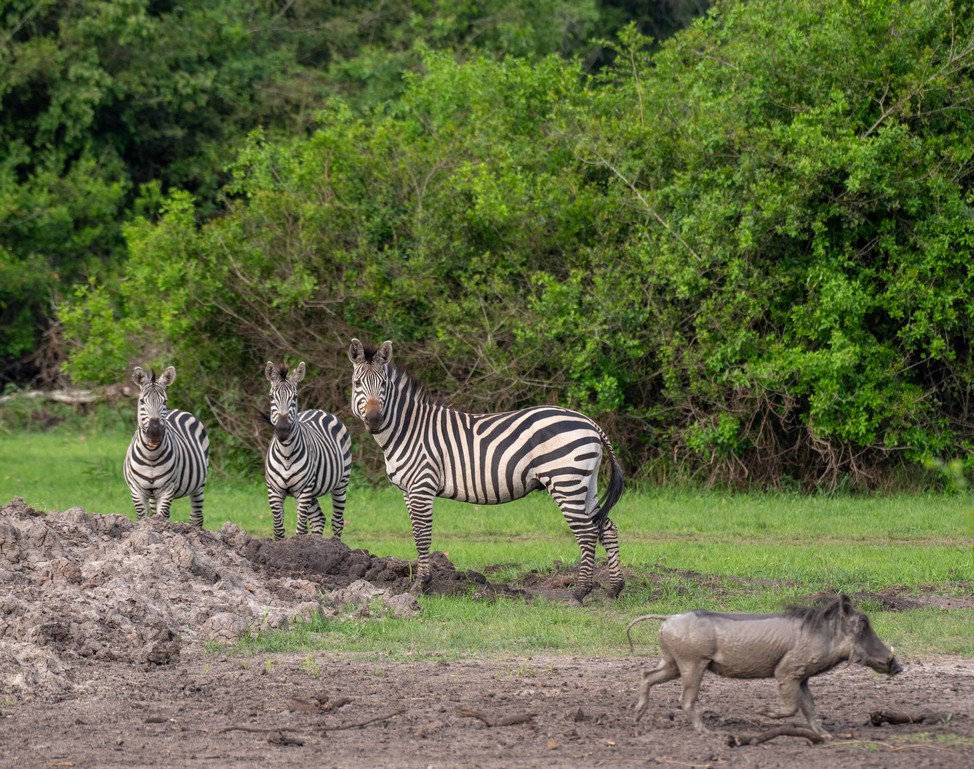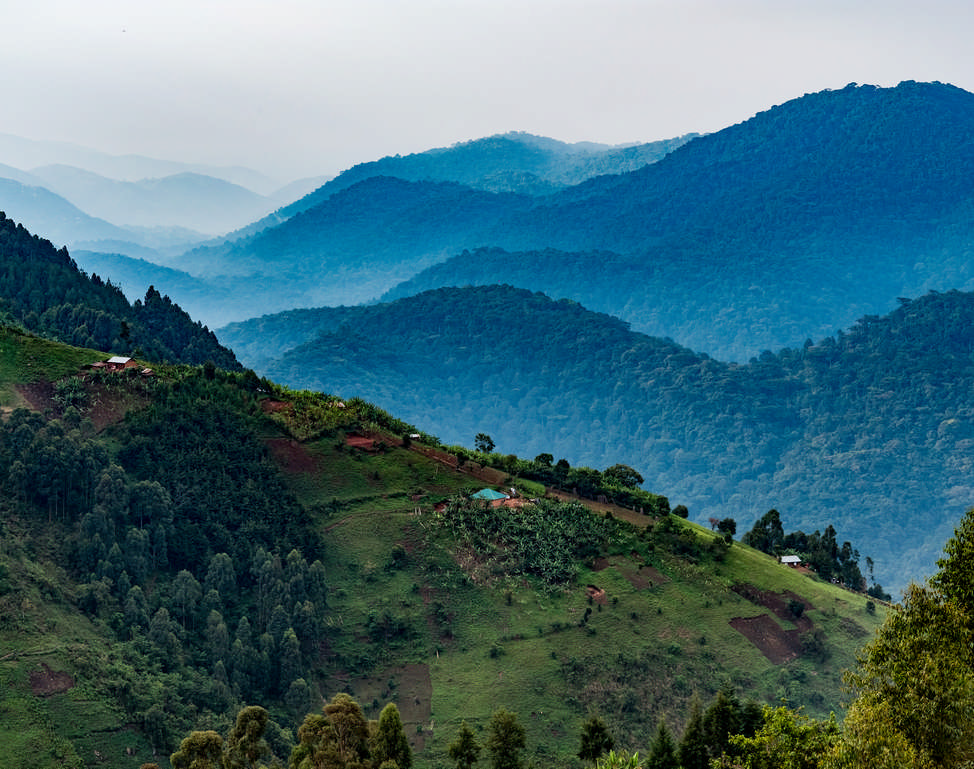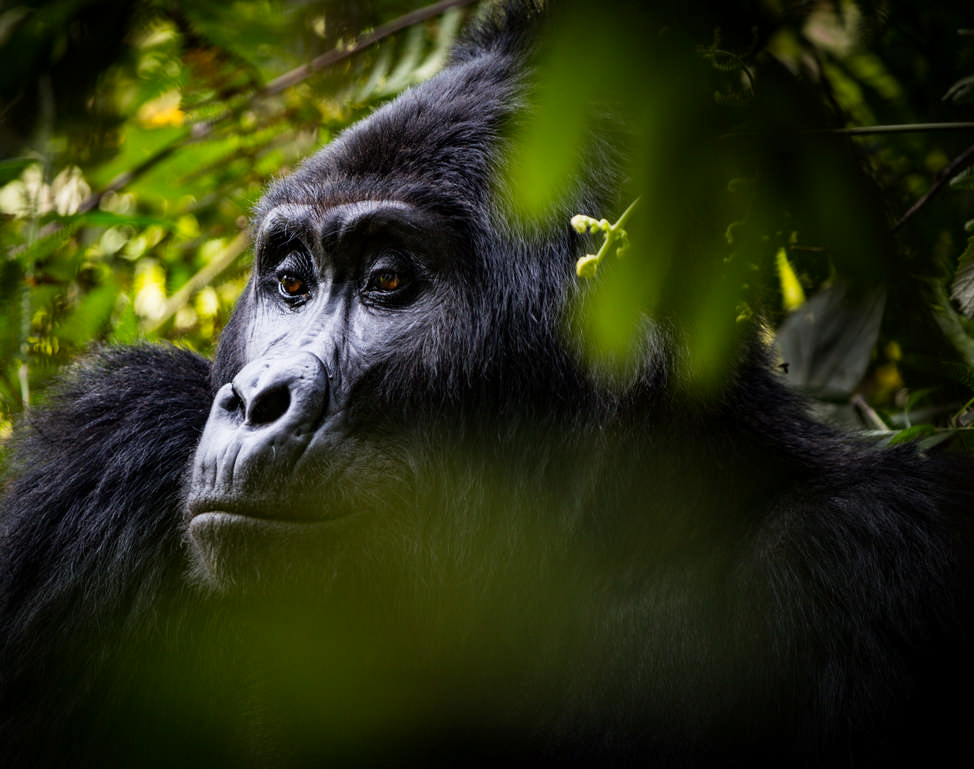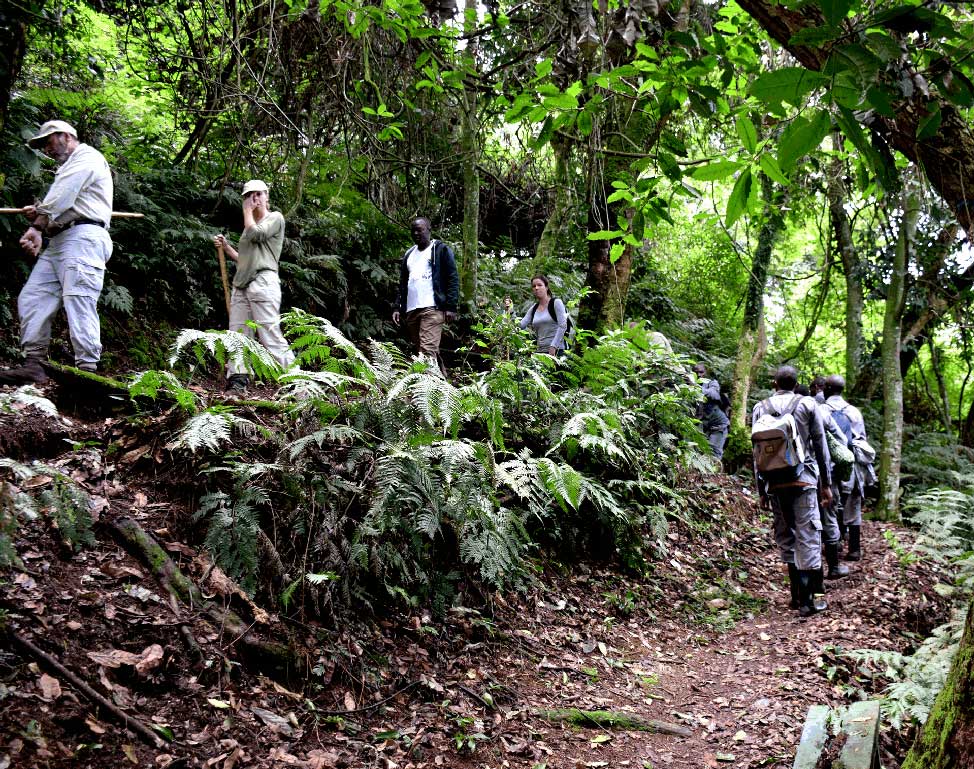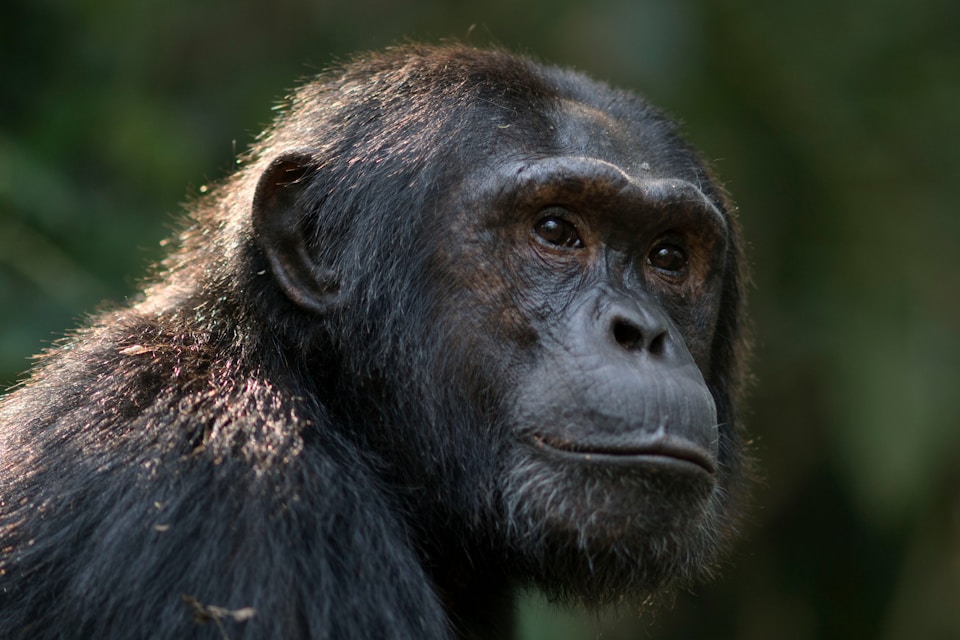

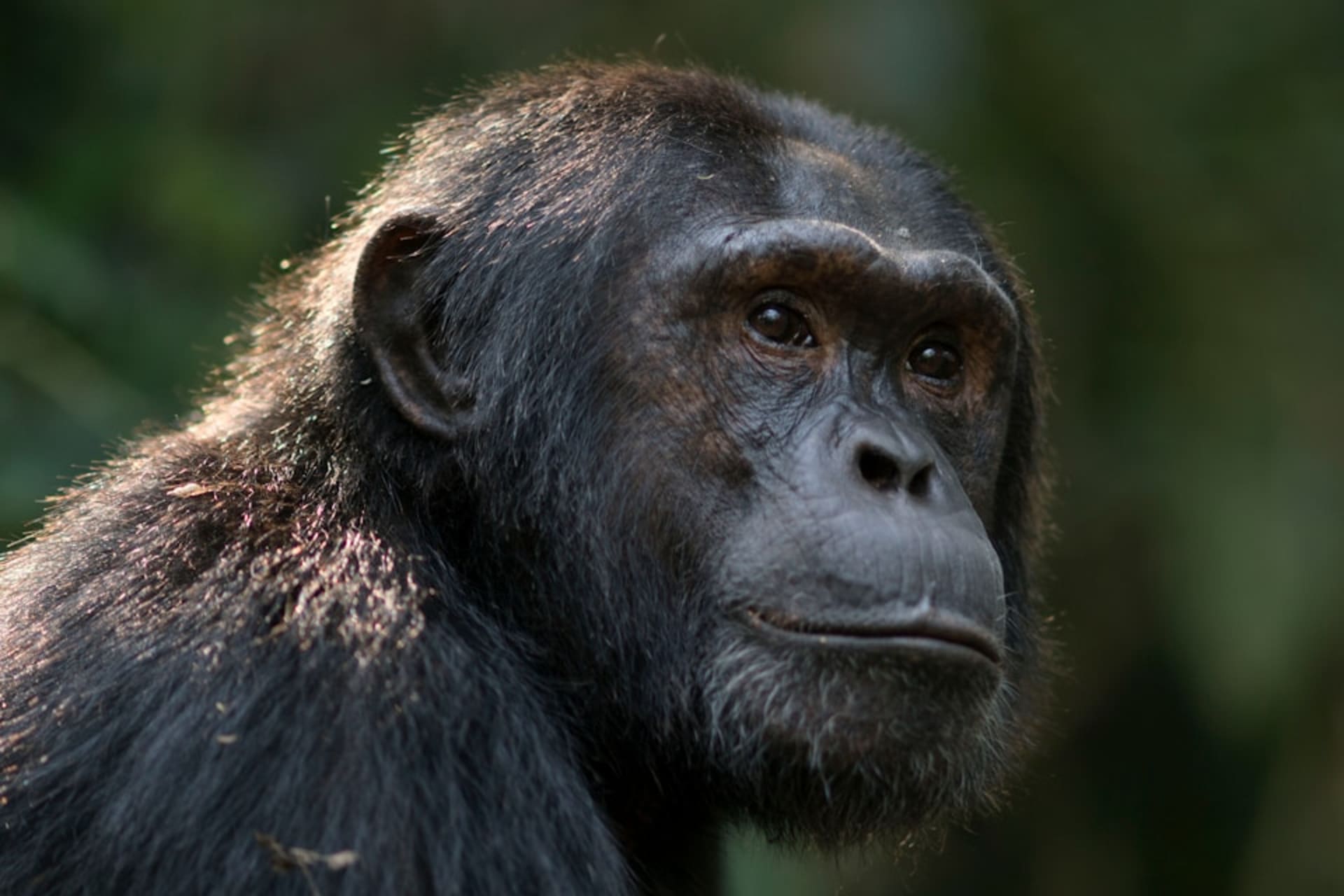


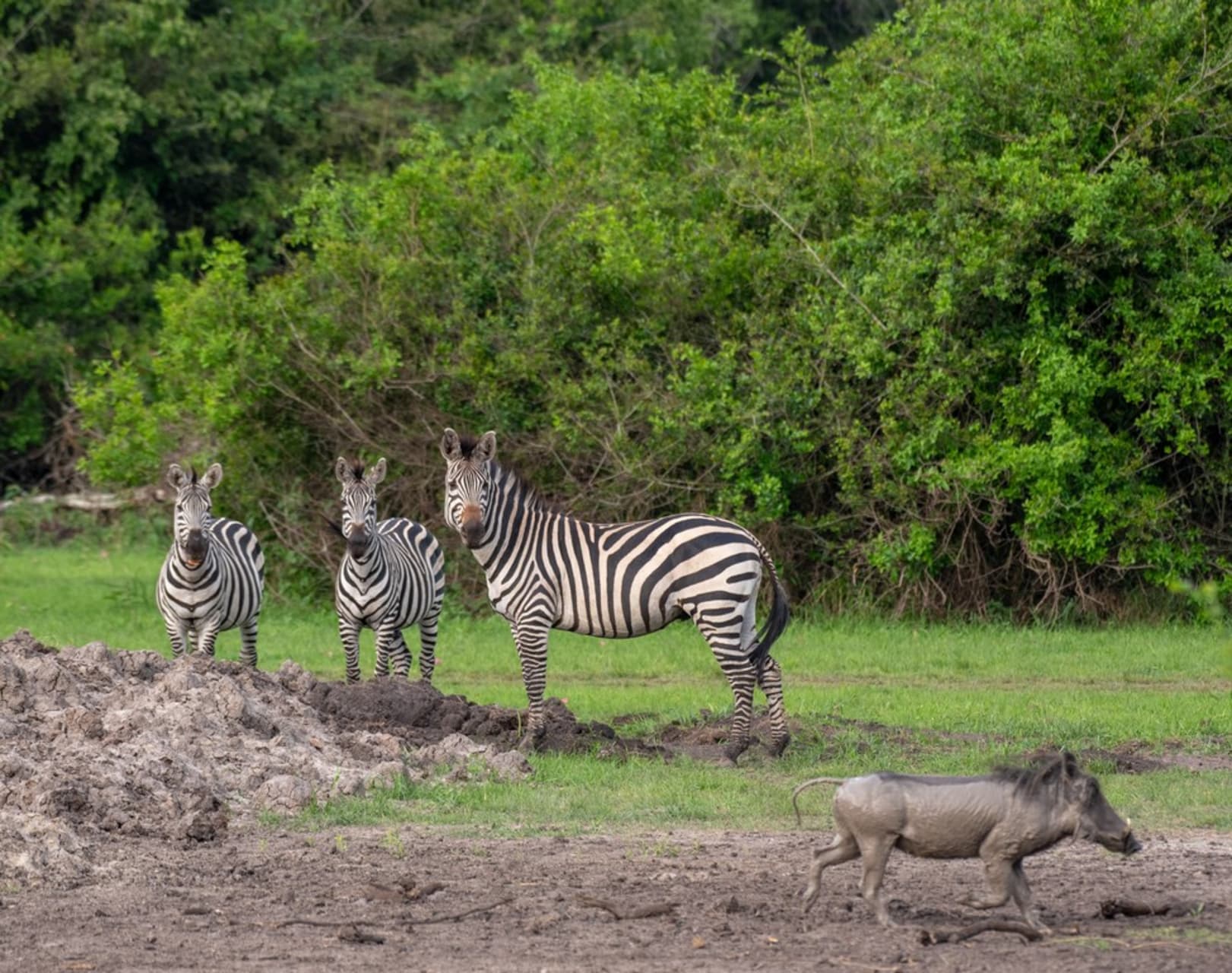
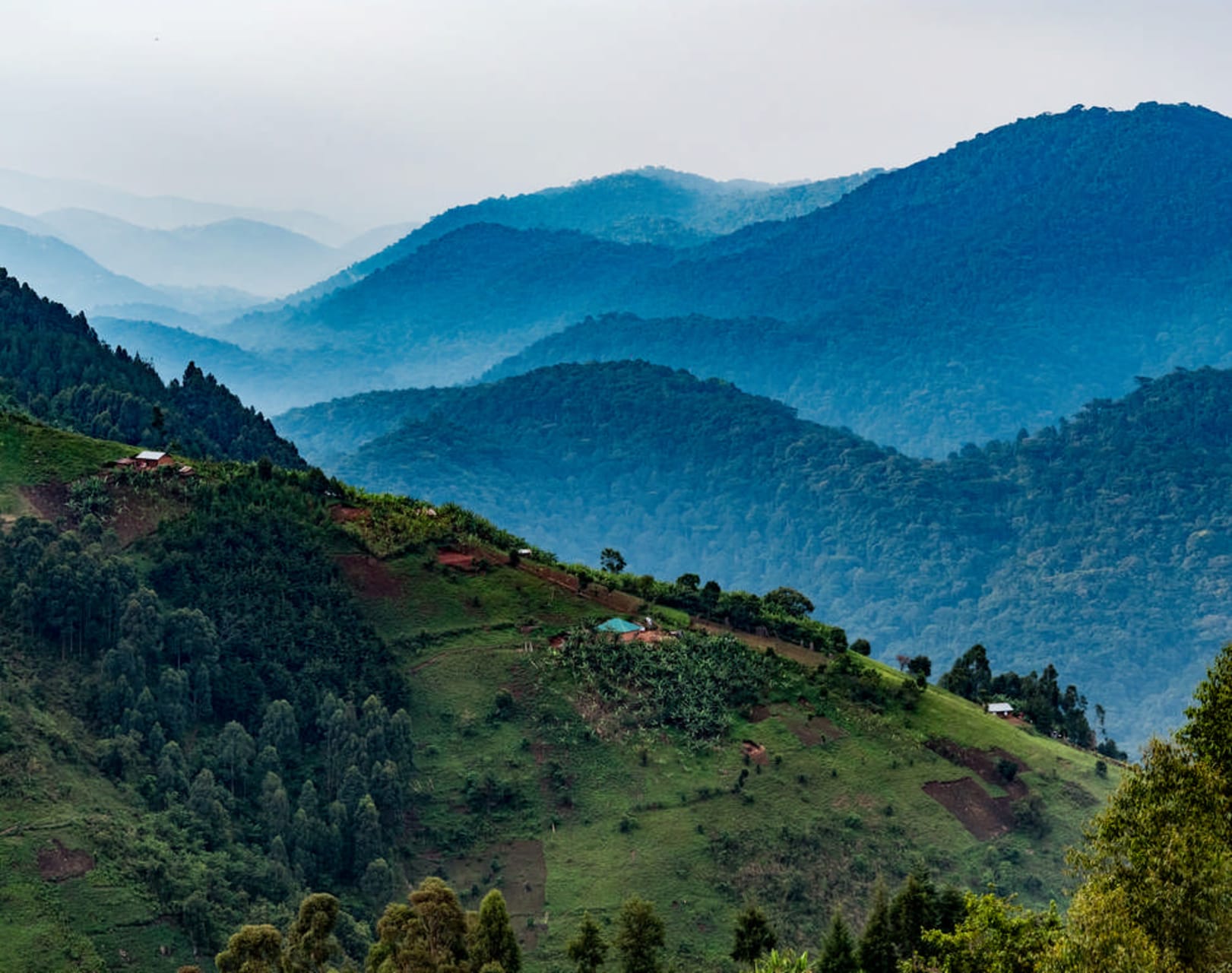

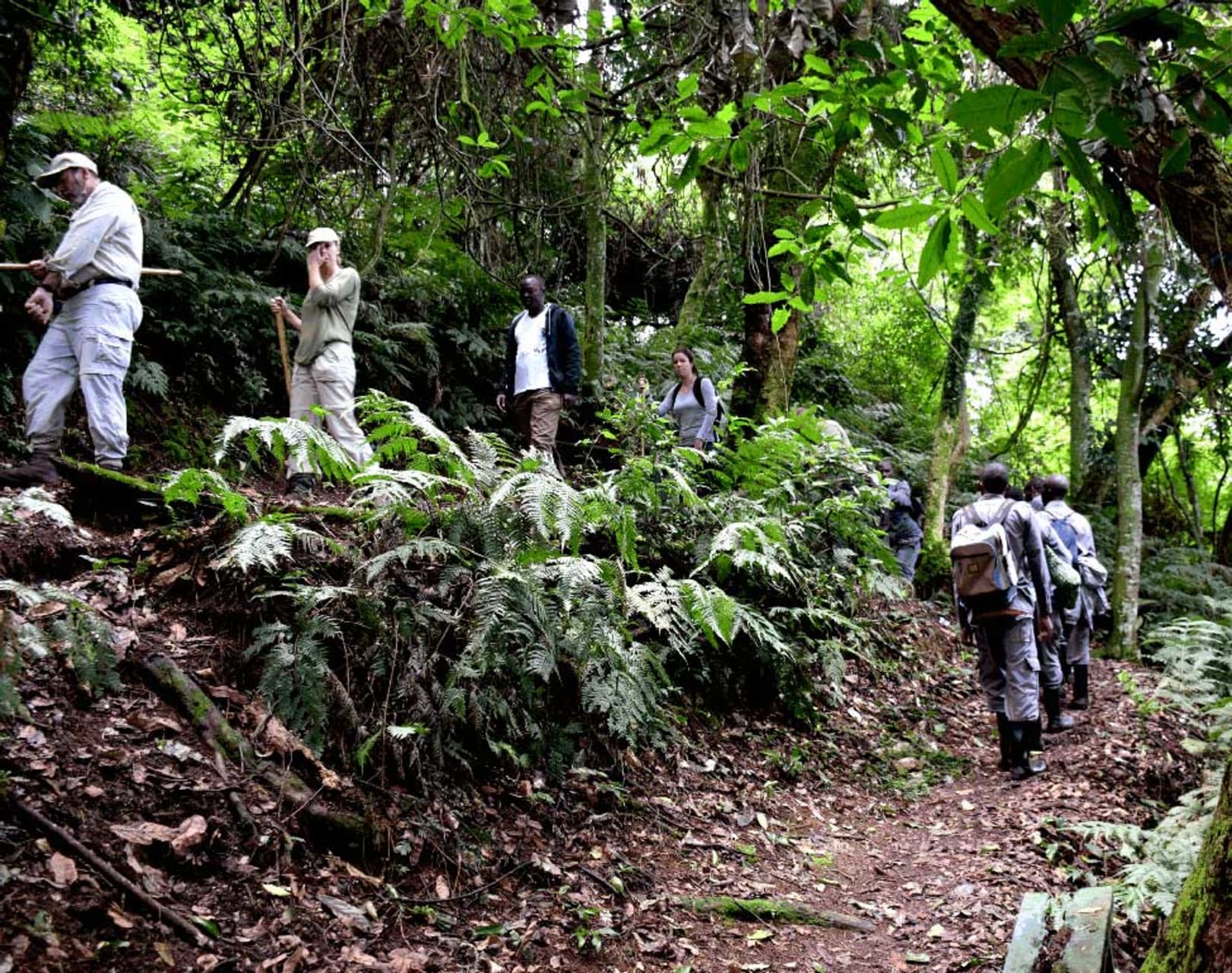
This 6-day adventure is perfect for travelers who want the best of Uganda’s primates in a short time. Track mountain gorillas in Bwindi or Mgahinga, see chimpanzees up close in Kibale, and enjoy a classic game drive in Queen Elizabeth National Park. Comfortable mid-range lodges keep the trip affordable while offering warm hospitality.
6-Day Uganda Gorilla & Chimpanzee Safari
Summary Description
Highlights
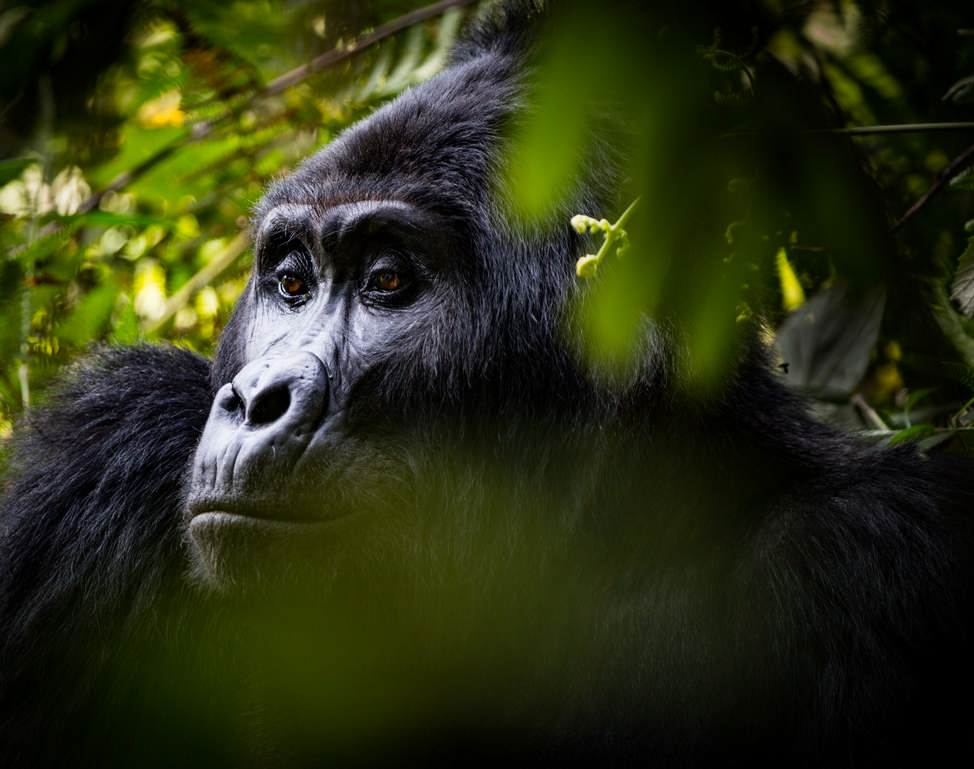
- Gorilla Trekking
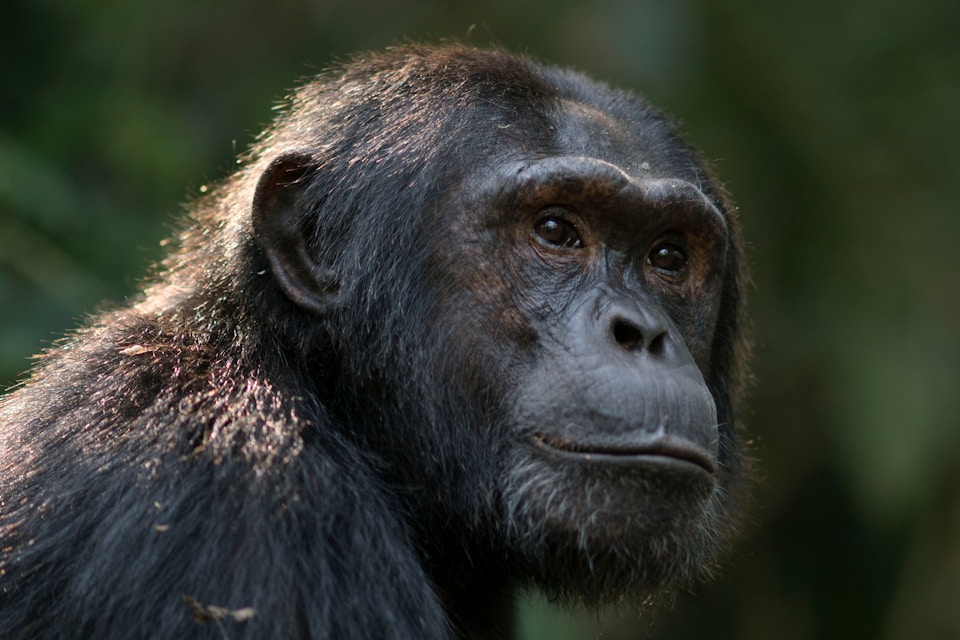
- Track wild chimpanzees in Kibale Forest
- Game Drive for iconic wildlife
- Engage with local communities and cultures
Description
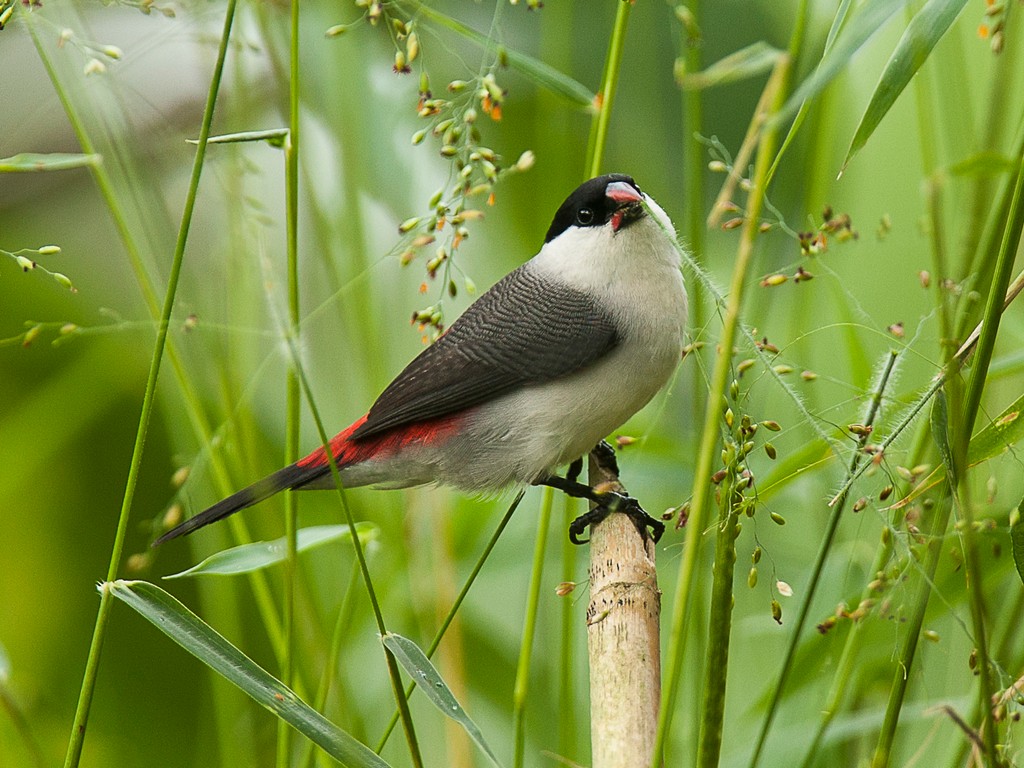
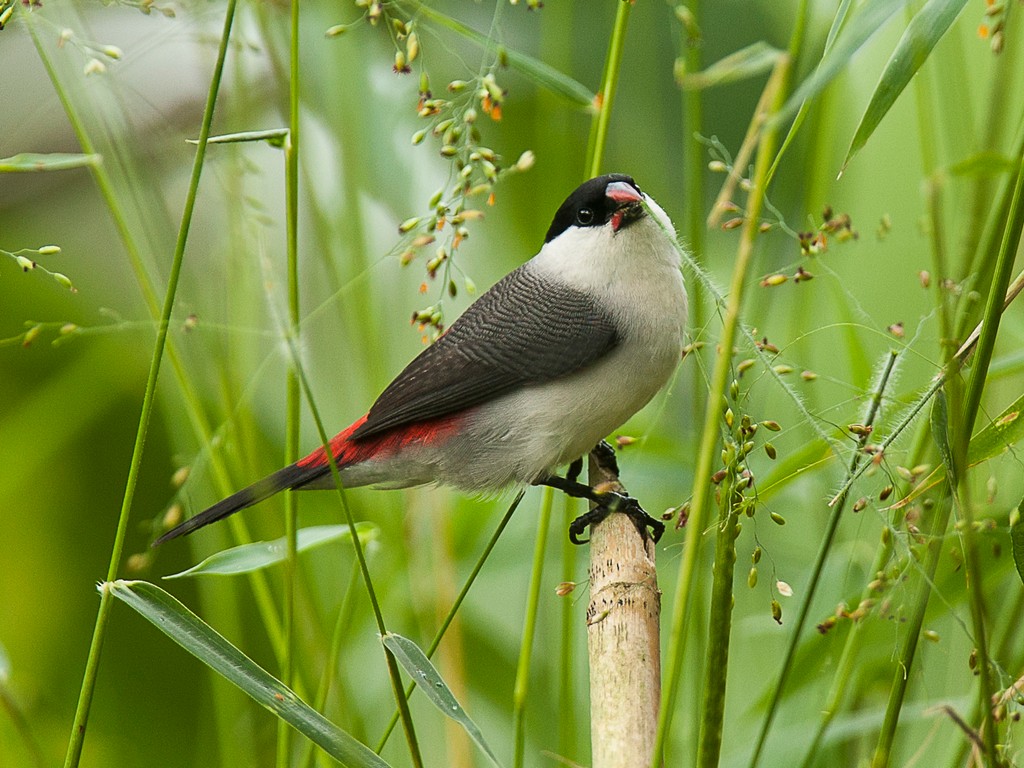
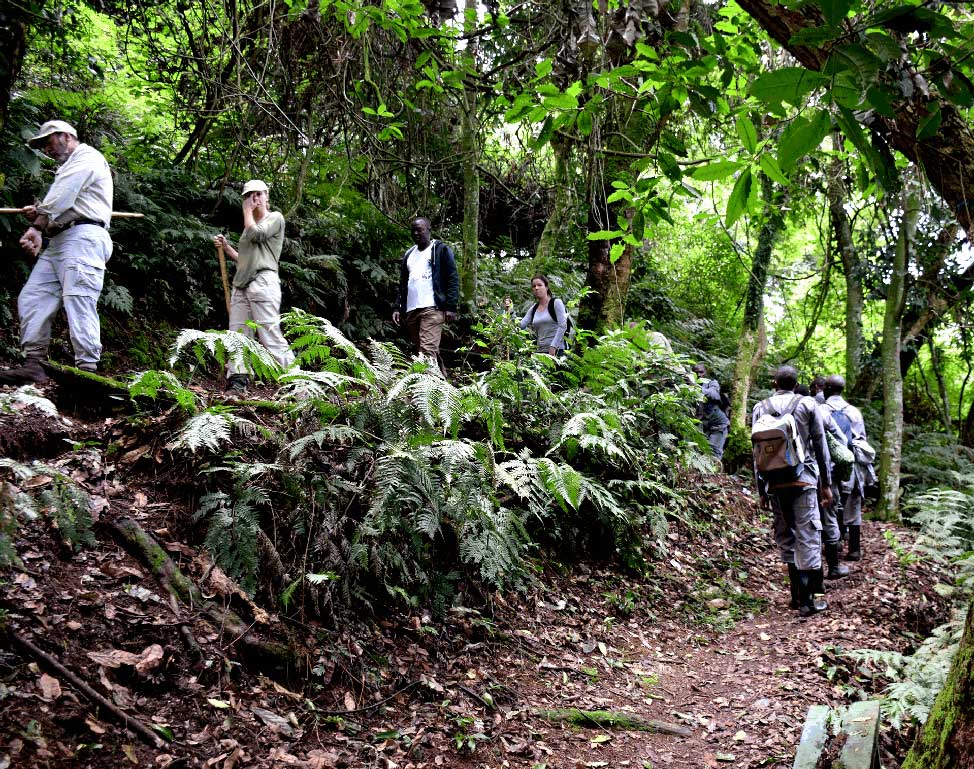
Embark on an unforgettable 6-day journey through Uganda's most captivating wildlife regions. Begin in Kibale Forest, renowned for its dense primate population, where you'll trek alongside playful chimpanzees in their natural habitat. Next, cross the Equator into the southern hemisphere and explore the Queen Elizabeth National Park. Seek out lions, elephants, buffalo and other wildlife. The park is also home to over 600 bird species. From there venture to Bwindi Impenetrable Forest, a UNESCO World Heritage site, for an exhilarating gorilla trekking experience, observing these majestic creatures up close. Throughout the trip, engage with local communities, gaining insights into their cultures and traditions, ensuring a holistic and enriching experience.
Included / Excluded
- Gorilla trekking permit ($800)
- Chimpanzee tracking permit ($250)
- Park and concession fees.
- Accommodation as listed in itinerary
- A professional driver/guide with private safari vehicle.
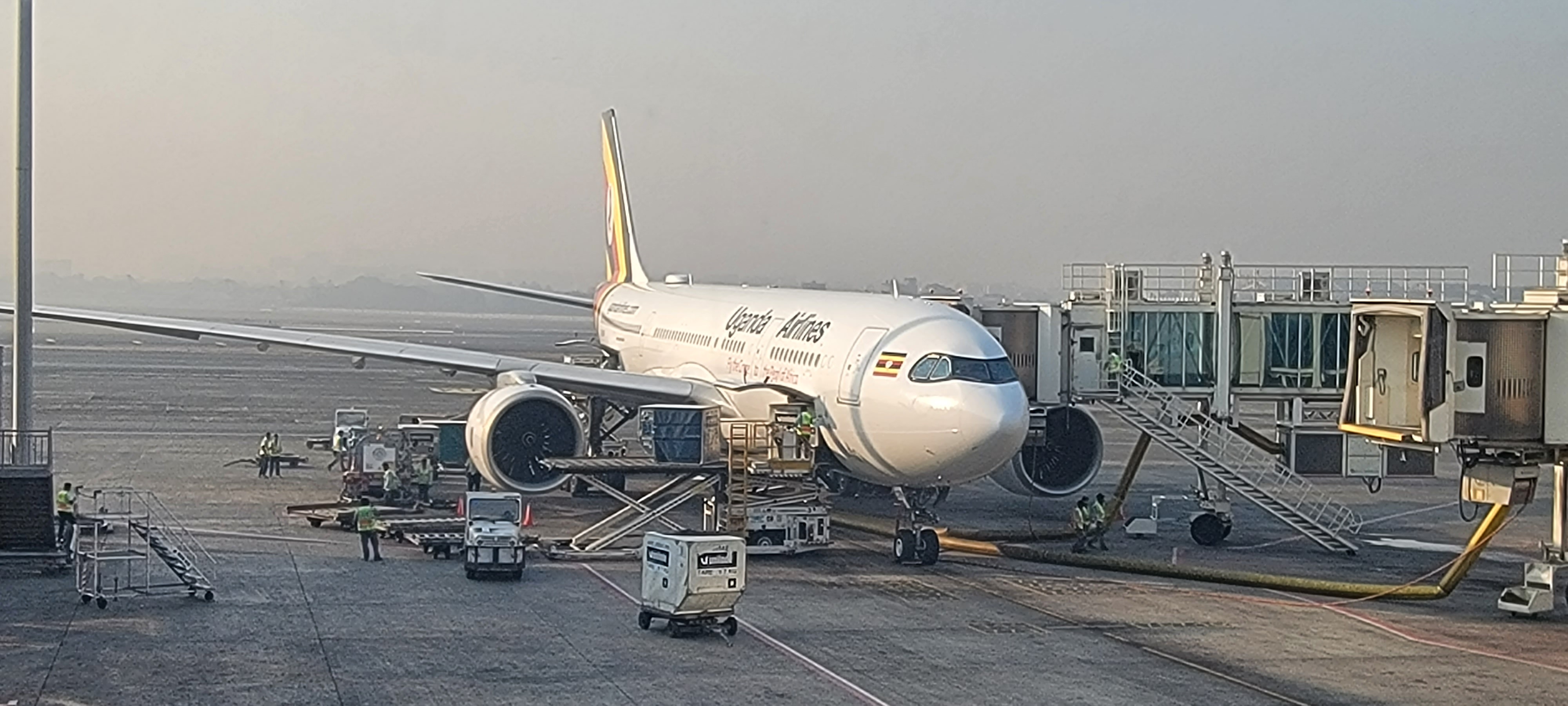
- International flights to Uganda
- Entry visa (apply online: https://visas.immigration.go.ug/)
- Any private expenses.
- Alcohol / drinks.
- Tips / Gratuities
- Vaccinations
- Comprehensive Travel and Medical Insurance (strongly recommended)
Itinerary
8-Day Safari: Boat Ride, Chimps, Gorillas & Wildlife Walk
1
Arrival meet and greet
Start Location
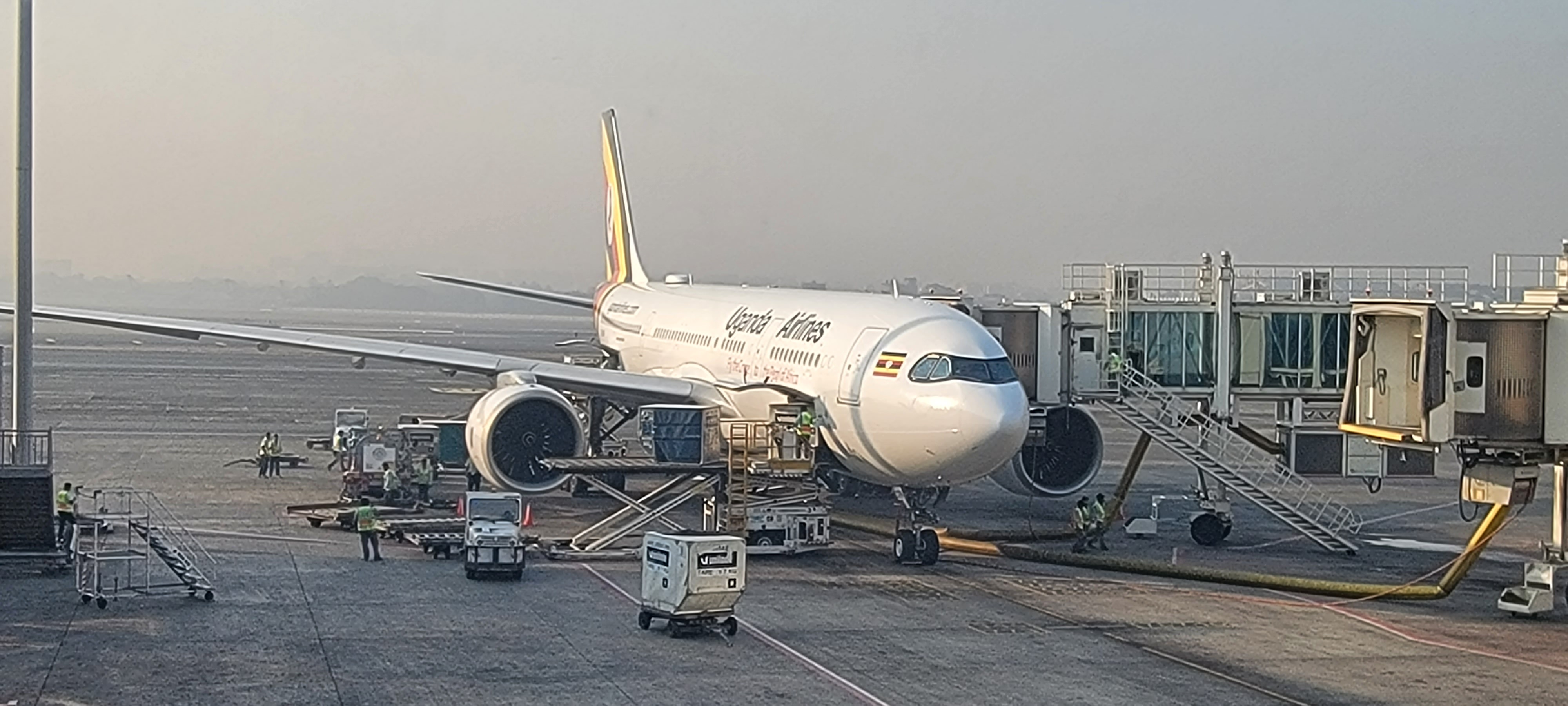
Welcome to Uganda! Your guide will meet you on arrival
Duration: 0 minutes
Admission Free
0 minutes to next stop
2
Transfer by road to Kibale National Park
Intermediate Stop
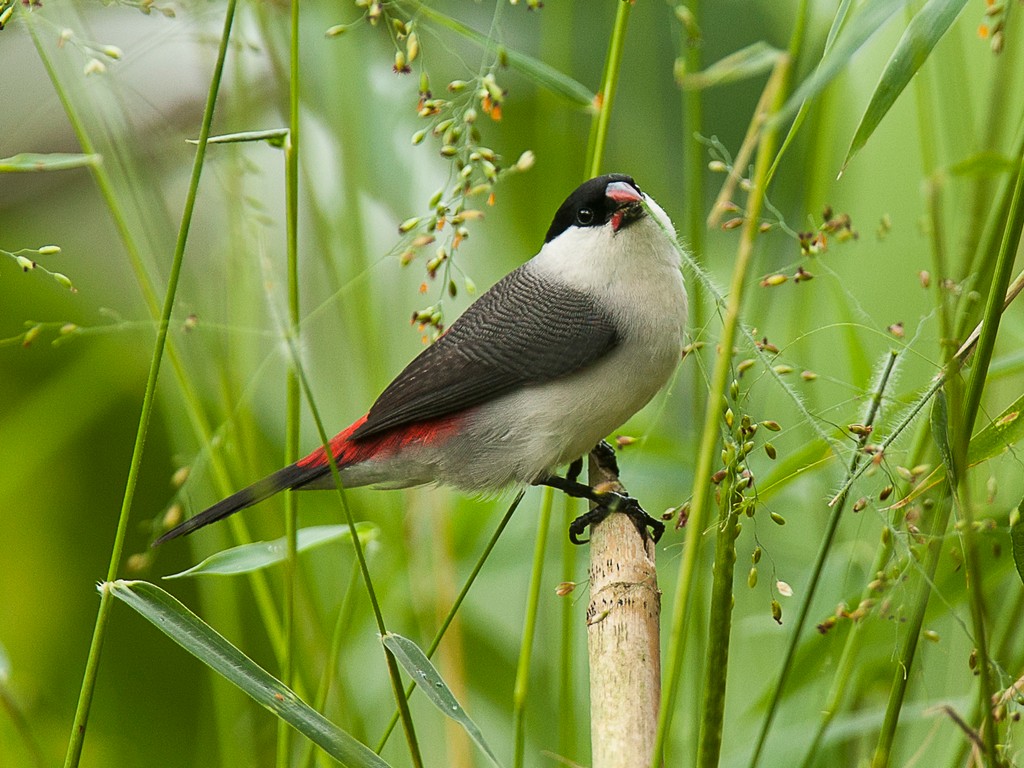
See majestic gorillas up close in their habitat
Duration: 0 minutes
Admission Free
0 minutes to next stop
3
Track Chimpanzee
Intermediate Stop
Spot wildlife on thrilling guided drives
Duration: 120 minutes
Admission Free
0 minutes to next stop
4
Transfer to Queen Elizabeth National Park
Intermediate Stop
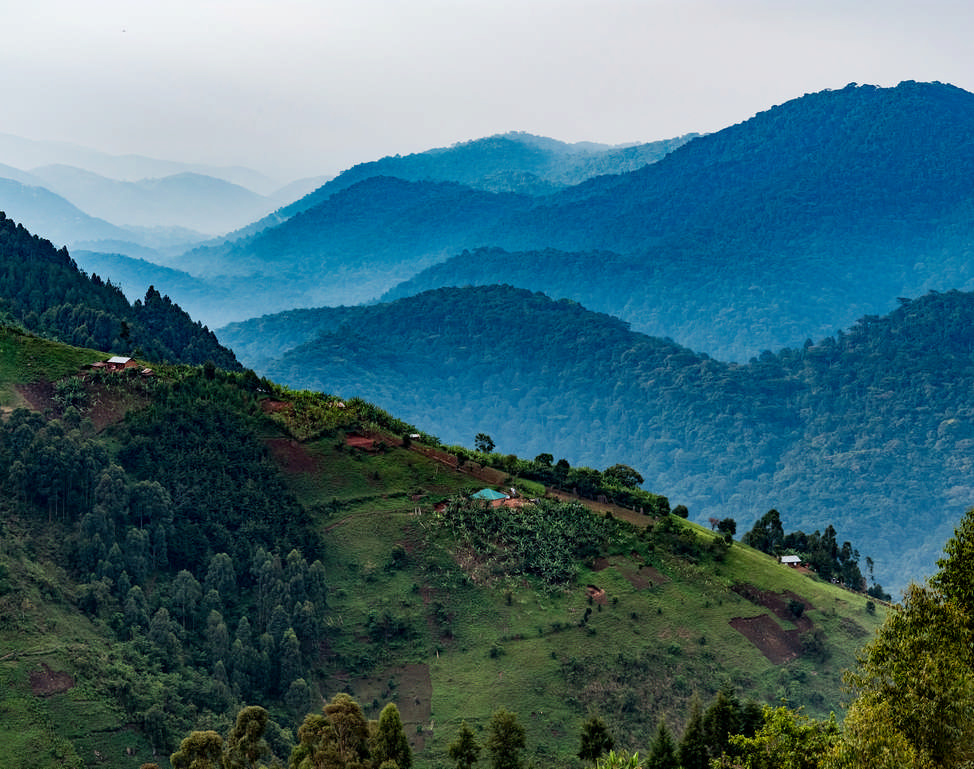
Hike scenic hills with sweeping panoramic views

Duration: 120 minutes
Admission Free
0 minutes to next stop
5
Spot wildlife on thrilling guided drives
Intermediate Stop
Duration: 0 minutes
Admission Free
0 minutes to next stop
6
Transfer to Bwindi Impenetrable National Park
Intermediate Stop
Duration: 0 minutes
Admission Free
0 minutes to next stop
7
Gorilla Trekking
Intermediate Stop
Duration: 0 minutes
Admission Free
0 minutes to next stop
8
Transfer to Lake Mburo National Park
Intermediate Stop
Duration: 120 minutes
Admission Free
Start / End Locations
Start Location: Entebbe International Airport, Entebbe, UG
Start Location Notes: Entebbe International Airport is the main gateway into Uganda
End Location: Entebbe International Airport, Kampala Road, Entebbe, Uganda
End Location Notes: Connect with local communities and traditions
Important Information
Know Before You Book
- Be prepared for physically demanding treks in varying terrains.
- Check the latest travel advisories and health requirements for Uganda.
- Yellow fever vaccination is required. Get letter of exemption from a registered medical facility in your country
- We can only guarantee Gorilla permits availability upon booking confirmation and payment.
- Visa is obtained online at https://visas.immigration.go.ug Apply at least 3 weeks before travel. Cost is $50 valid for 90 days
- Bring comfortable hiking boots suitable for forest treks.
- Bring lightweight, long-sleeved clothing to protect against insects.
- Carry a rain jacket, as weather can be unpredictable.
Cancellation
Cancellation Cutoff: 24 hours
Cancellation Notes: Up to 24 hours before the beginning of the activity: full refund Less than 24 hours before the beginning of the activity or no-show: no refund
Options and Pricing
Based on a minimum of 2 sharing a room
| Per Person | RETAIL PRICE |
|---|---|
| Adult (15 - 80 years) | N/A |
Points of interest
Redemption Information
Tickets will be held at the box office
FAQ
When is the best time to visit Uganda for a safari?

Uganda’s peak safari seasons coincide with the drier months. In general, the dry seasons (December–February and June–September) offer the best conditions for wildlife viewing and trekking. Trails are drier and animals gather around water sources. If you’re flexible, note that the short rainy season (March–May) is greener and less crowded, and Uganda’s parks remain accessible year-round (just expect some afternoon showers).
How many days should I plan for my Uganda safari?
A typical trip ranges from 10–14 days to cover major highlights. For example, a 10-day itinerary might include gorilla trekking in Bwindi, game drives at Murchison Falls and Queen Elizabeth, plus a chimp trek in Kibale. Shorter trips (5–7 days) are possible if you focus on one region, but most first-timers allow at least a week to ten days for a comfortable pace.
What should I pack and wear on a Uganda safari (especially gorilla trekking)?
Pack for jungle trekking and variable weather. The key is layers and protection:
• Footwear: Sturdy, waterproof hiking boots with good ankle support (the forest trails can be muddy). Thick hiking socks help keep dirt and leeches out.
• Clothing: Lightweight long-sleeved shirts and long pants to guard against insects and thorny vegetation. Avoid shorts; a quick-dry rain jacket or poncho is essential (it often rains in the forest).
• Accessories: A wide-brimmed hat and gloves can protect from sun and insects. Insect repellent is a must. Bring a warm sweater or fleece for cool mornings.
• Extras: Don’t forget sunglasses, sunscreen, and a refillable water bottle. Packing cubes or dry bags for electronics (camera, phone) are useful to keep things dry.
How far in advance should I book my trip and gorilla permits?
Very early – gorilla permits are in high demand. It’s recommended to book gorilla permits 6–7 months ahead of your trekking date. This ensures availability in your chosen park/sector. Flights, hotels and tour packages should also be reserved early, especially if you travel during peak season, to lock in better rates and options.
Do I need travel insurance for a Uganda safari?
Yes, we strongly recommend comprehensive travel and medical insurance. Uganda safaris often involve remote activities (gorilla treks, mountain hikes) and medical evacuation can be very expensive. Travel insurers cover medical emergencies, trip cancellations, and other unexpected costs. Even though it’s not legally required, experts advise every traveler to have insurance before visiting Uganda.
How much does a gorilla trekking permit cost in Uganda?
As of 2025, a gorilla trekking permit in Uganda costs US $800 per person, and in Rwanda US$1500. This fee grants you a one-hour encounter with a gorilla family in the forest (plus park entrance). The permit is per person per trek, so each traveler needs their own permit.
How much does a chimpanzee trekking permit cost?
Chimpanzee permits are significantly cheaper than gorilla permits. In Kibale National Park a permit is US$250 per person. Chimp hikes also last about an hour and are excellent wildlife experiences.
should I budget for a Uganda safari overall?
Safari costs vary by itinerary and lodging level. As a ballpark, a mid-range 7–10 day safari (covering gorillas, game drives, forest walks, plus 3–4 star lodges) often runs several thousand dollars per person. For example, a 3-day gorilla trek package (including transport, lodging and meals) can start around US $2,300 per person, and then add the gorilla permits ($800) as additional costs. Luxury packages with higher-end lodges will cost more. Prices are usually quoted in US dollars; tips, drinks, and souvenirs are extra. Cost per person tend to get lower the more you are in your group.
What vaccinations are required before traveling to Uganda?
A yellow fever vaccination is mandatory for entry into Uganda. If you cannot receive this vaccination, you will need a medical exemption certificate, which is part of the visa application process. While malaria prophylaxis is recommended, it is not mandatory. Consult your healthcare provider for personalized health advice.
Do I need a visa to travel to Uganda?
Yes, most travelers require a visa and a valid passport to visit Uganda. Your passport must be valid for at least six months beyond your intended departure date. A tourist visa costs US$50 and is valid for 90 days. Apply online through the Uganda Visa Application portal - https://visas.immigration.go.ug
What are the accommodation options in Uganda? (Lodges & Camps)
We offer a variety of accommodations, including boutique hotels, lodges, tented camps, and eco-lodges. Each option is chosen to reflect the local character and provide a comfortable stay while ensuring safety and quality.
Will my room have a private bathroom?
Yes, all accommodations feature private ensuite bathrooms. For mountain treks and walking safaris, shared facilities may be used to minimize environmental impact.
How can I stay connected in Uganda?
Wi-Fi is available at most hotels and safari lodges, often at no extra charge. However, Wi-Fi may be limited in remote areas. Many travelers opt for local SIM cards or portable Wi-Fi devices. Major cities and popular tourist spots generally have good mobile coverage.
Is it safe to drink tap water in Uganda?
Tap water is not safe to drink in many areas of Uganda. Stick to bottled or purified water. We provide free bottled water in all safari vehicles. We encourage you to come with a refillable water bottle.
I have food allergies or dietary requirements. Will that be a problem?
Please inform us of any food allergies or dietary restrictions, such as vegetarian, vegan, gluten-free, or kosher diets. We will make every effort to accommodate your needs, but notifying us in advance is crucial for making necessary arrangements.
What kind of wildlife can I expect to see on safari?
Uganda is home to a diverse array of wildlife, including the Big Five (lion, elephant, buffalo, leopard, rhinoceros), mountain gorillas, chimpanzees, golden monkeys, giraffes, zebras, hippos, and over 1,070 bird species. Wildlife sightings can vary depending on the region and season.
Do I have to join every activity?
Participation in safari activities is entirely optional—this is your private safari, and it’s all about what you want to experience. Whether you choose to relax, explore the local community, or engage in alternative activities, we’re here to accommodate your preferences. During the planning process, please share your interests so we can tailor the itinerary to suit you. Kindly note that we’re unable to provide refunds for any activities you choose to skip.
How can I ensure a respectful and culturally sensitive visit?
Our local guides will provide guidance on local customs and traditions. Dress modestly, especially in rural and religious areas. Be respectful, ask permission before taking photos of people, and follow the advice of your guide.
Can I travel with a family or group of friends? Can you create a safari just for us?
Absolutely! At Nandi Adventures, we specialize in creating customized safaris tailored to your group’s unique needs and interests. Whether you’re traveling solo, or with a family or a group of friends, we can design a private safari that ensures everyone has an unforgettable experience. We’ll take care of all the details, from accommodations to activities, to make sure your trip is seamless and enjoyable for everyone in your group. Just let us know your preferences, and we’ll craft a safari adventure just for you.
Can I bring my child on a safari?
Nandi Adventures welcomes families with children on our safaris! We understand that traveling with children can present unique challenges, and we’re dedicated to creating safe and enjoyable experiences for the whole family.
Here are some things to keep in mind when planning a safari with children:
Age-appropriate activities: We can tailor your safari to include activities that are suitable for pre-teens and teenagers. This might include game drives, nature walks, cultural visits, and boat trips.
Comfortable accommodations: We’ll ensure you stay in comfortable and child-friendly accommodations.
Safety first: Our experienced guides are trained to handle children safely and ensure their well-being throughout the safari.
Flexibility: We understand that children may have different energy levels and schedules. We’ll be flexible and accommodate your family’s needs.
If you have any specific questions or concerns about traveling with children on a Nandi Adventures safari, please don’t hesitate to ask. We’re happy to provide you with more information and help you plan the perfect family adventure.
What language is spoken in Uganda?
Uganda is home to over 40 languages. English and Swahili are the official languages, with English being widely spoken. Learning a few basic phrases in Luganda, the language of commerce, can enhance your experience. Your driver-guide is always available to help you out on local languages in the different regions.
Do you have a luggage limit?
We recommend traveling with one duffel bag or soft suitcase per person, along with a small carry-on. Please note that domestic flights have a luggage limit of 15kg (33lbs) per person. If your itinerary includes a domestic flight and you need to bring additional luggage, please let us know in advance so we can make the necessary arrangements. This also applies to flights from Maasai Mara in Kenya to Bwindi in Uganda for the gorilla trekking experience. Please be aware that extra luggage may incur additional fees.
What should I know about tipping in Uganda?
Tipping is appreciated but not obligatory. It’s customary to tip in restaurants, $10 per person per day for safari guides, and $1-2 for hotel staff per service. Always tip in local currency or U.S. dollars, and be discreet and respectful in doing so. While tipping is a way to show appreciation for good service, it’s not expected in all settings, especially in more casual or local establishments.
What currency should I use, and are ATMs available?
The currency in Uganda is the Uganda Shilling. It’s a good idea to carry some local cash for tips and souvenirs. While ATMs are available in cities, they can be scarce in remote areas. Major credit cards (Visa, MasterCard, American Express) are accepted at larger establishments, and US dollars are widely used.
Do I need travel insurance for my trip to Uganda?
While travel insurance is not required, we highly recommend comprehensive travel and medical insurance. Your insurance should cover trip cancellations, medical emergencies, flight delays, and medical evacuations and any other areas of concern to you. If you plan to participate in activities like mountain climbing or whitewater rafting, ensure your policy includes coverage for these.
Why don’t you offer international air travel with your safaris?
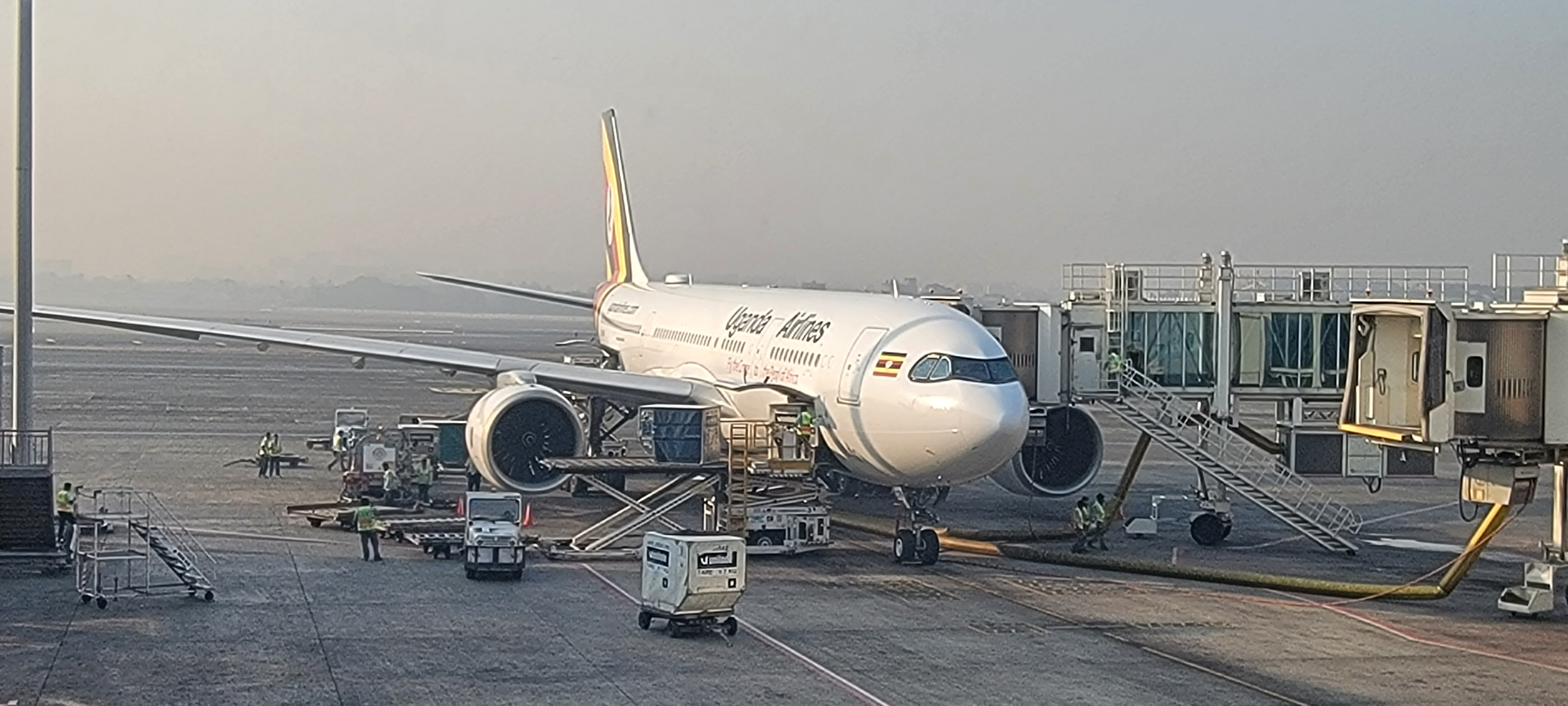
We encourage guests to book their international flights independently to accommodate personal preferences and the use of frequent flyer miles. We’ll provide details on the start and end points of your safari, and we can also arrange flights between the Maasai Mara in Kenya and Uganda if needed.
Can I add extra days to the end or start of my safari?
Yes, you’re welcome to extend your stay beyond the scheduled safari. Our safaris are tailor-made for you. Many guests choose to spend additional time in Kampala or other destinations. Simply let us know your plans, and we’ll assist with the arrangements. The cost for the extra days will depend on the type of accommodation you choose.
I’m ready to book a safari. What’s the process?
To book your safari, fill out the inquiry form and submit https://www.nandiadventures.com/contact-us. Gorilla and chimpanzee trekking permits will be confirmed upon payment. The remaining balance is due 60 days before the start of your safari.
What if I need to cancel my safari after making a deposit?
Deposits are non-refundable as they secure accommodations, park fees, and permits. Gorilla and chimpanzee trekking permits are non-refundable. For details on cancellations and any applicable fees, please refer to our Terms and Conditions: https://www.nandiadventures.com/terms-and-conditions/.
What should I pack and wear on a Uganda safari (especially gorilla trekking)?
Pack for jungle trekking and variable weather. The key is layers and protection:
• Footwear: Sturdy, waterproof hiking boots with good ankle support (the forest trails can be muddy). Thick hiking socks help keep dirt and leeches out.
• Clothing: Lightweight long-sleeved shirts and long pants to guard against insects and thorny vegetation. Avoid shorts; a quick-dry rain jacket or poncho is essential (it often rains in the forest).
• Accessories: A wide-brimmed hat and gloves can protect from sun and insects. Insect repellent is a must. Bring a warm sweater or fleece for cool mornings.
• Extras: Don’t forget sunglasses, sunscreen, and a refillable water bottle. Packing cubes or dry bags for electronics (camera, phone) are useful to keep things dry.
How far in advance should I book my trip and gorilla permits?
Very early – gorilla permits are in high demand. It’s recommended to book gorilla permits 6–7 months ahead of your trekking date. This ensures availability in your chosen park/sector. Flights, hotels and tour packages should also be reserved early, especially if you travel during peak season, to lock in better rates and options.
Do I need travel insurance for a Uganda safari?
Yes, we strongly recommend comprehensive travel and medical insurance. Uganda safaris often involve remote activities (gorilla treks, mountain hikes) and medical evacuation can be very expensive. Travel insurers cover medical emergencies, trip cancellations, and other unexpected costs. Even though it’s not legally required, experts advise every traveler to have insurance before visiting Uganda.
How much does a gorilla trekking permit cost in Uganda?
As of 2025, a gorilla trekking permit in Uganda costs US $800 per person, and in Rwanda US$1500. This fee grants you a one-hour encounter with a gorilla family in the forest (plus park entrance). The permit is per person per trek, so each traveler needs their own permit.
How much does a chimpanzee trekking permit cost?
Chimpanzee permits are significantly cheaper than gorilla permits. In Kibale National Park a permit is US$250 per person. Chimp hikes also last about an hour and are excellent wildlife experiences.
should I budget for a Uganda safari overall?
Safari costs vary by itinerary and lodging level. As a ballpark, a mid-range 7–10 day safari (covering gorillas, game drives, forest walks, plus 3–4 star lodges) often runs several thousand dollars per person. For example, a 3-day gorilla trek package (including transport, lodging and meals) can start around US $2,300 per person, and then add the gorilla permits ($800) as additional costs. Luxury packages with higher-end lodges will cost more. Prices are usually quoted in US dollars; tips, drinks, and souvenirs are extra. Cost per person tend to get lower the more you are in your group.
What vaccinations are required before traveling to Uganda?
A yellow fever vaccination is mandatory for entry into Uganda. If you cannot receive this vaccination, you will need a medical exemption certificate, which is part of the visa application process. While malaria prophylaxis is recommended, it is not mandatory. Consult your healthcare provider for personalized health advice.
Do I need a visa to travel to Uganda?
Yes, most travelers require a visa and a valid passport to visit Uganda. Your passport must be valid for at least six months beyond your intended departure date. A tourist visa costs US$50 and is valid for 90 days. Apply online through the Uganda Visa Application portal - https://visas.immigration.go.ug
What are the accommodation options in Uganda? (Lodges & Camps)
We offer a variety of accommodations, including boutique hotels, lodges, tented camps, and eco-lodges. Each option is chosen to reflect the local character and provide a comfortable stay while ensuring safety and quality.
Will my room have a private bathroom?
Yes, all accommodations feature private ensuite bathrooms. For mountain treks and walking safaris, shared facilities may be used to minimize environmental impact.
How can I stay connected in Uganda?
Wi-Fi is available at most hotels and safari lodges, often at no extra charge. However, Wi-Fi may be limited in remote areas. Many travelers opt for local SIM cards or portable Wi-Fi devices. Major cities and popular tourist spots generally have good mobile coverage.
Is it safe to drink tap water in Uganda?
Tap water is not safe to drink in many areas of Uganda. Stick to bottled or purified water. We provide free bottled water in all safari vehicles. We encourage you to come with a refillable water bottle.
I have food allergies or dietary requirements. Will that be a problem?
Please inform us of any food allergies or dietary restrictions, such as vegetarian, vegan, gluten-free, or kosher diets. We will make every effort to accommodate your needs, but notifying us in advance is crucial for making necessary arrangements.
What kind of wildlife can I expect to see on safari?
Uganda is home to a diverse array of wildlife, including the Big Five (lion, elephant, buffalo, leopard, rhinoceros), mountain gorillas, chimpanzees, golden monkeys, giraffes, zebras, hippos, and over 1,070 bird species. Wildlife sightings can vary depending on the region and season.
Do I have to join every activity?
Participation in safari activities is entirely optional—this is your private safari, and it’s all about what you want to experience. Whether you choose to relax, explore the local community, or engage in alternative activities, we’re here to accommodate your preferences. During the planning process, please share your interests so we can tailor the itinerary to suit you. Kindly note that we’re unable to provide refunds for any activities you choose to skip.
How can I ensure a respectful and culturally sensitive visit?
Our local guides will provide guidance on local customs and traditions. Dress modestly, especially in rural and religious areas. Be respectful, ask permission before taking photos of people, and follow the advice of your guide.
Can I travel with a family or group of friends? Can you create a safari just for us?
Absolutely! At Nandi Adventures, we specialize in creating customized safaris tailored to your group’s unique needs and interests. Whether you’re traveling solo, or with a family or a group of friends, we can design a private safari that ensures everyone has an unforgettable experience. We’ll take care of all the details, from accommodations to activities, to make sure your trip is seamless and enjoyable for everyone in your group. Just let us know your preferences, and we’ll craft a safari adventure just for you.
Can I bring my child on a safari?
Nandi Adventures welcomes families with children on our safaris! We understand that traveling with children can present unique challenges, and we’re dedicated to creating safe and enjoyable experiences for the whole family.
Here are some things to keep in mind when planning a safari with children:
Age-appropriate activities: We can tailor your safari to include activities that are suitable for pre-teens and teenagers. This might include game drives, nature walks, cultural visits, and boat trips.
Comfortable accommodations: We’ll ensure you stay in comfortable and child-friendly accommodations.
Safety first: Our experienced guides are trained to handle children safely and ensure their well-being throughout the safari.
Flexibility: We understand that children may have different energy levels and schedules. We’ll be flexible and accommodate your family’s needs.
If you have any specific questions or concerns about traveling with children on a Nandi Adventures safari, please don’t hesitate to ask. We’re happy to provide you with more information and help you plan the perfect family adventure.
What language is spoken in Uganda?
Uganda is home to over 40 languages. English and Swahili are the official languages, with English being widely spoken. Learning a few basic phrases in Luganda, the language of commerce, can enhance your experience. Your driver-guide is always available to help you out on local languages in the different regions.
Do you have a luggage limit?
We recommend traveling with one duffel bag or soft suitcase per person, along with a small carry-on. Please note that domestic flights have a luggage limit of 15kg (33lbs) per person. If your itinerary includes a domestic flight and you need to bring additional luggage, please let us know in advance so we can make the necessary arrangements. This also applies to flights from Maasai Mara in Kenya to Bwindi in Uganda for the gorilla trekking experience. Please be aware that extra luggage may incur additional fees.
What should I know about tipping in Uganda?
Tipping is appreciated but not obligatory. It’s customary to tip in restaurants, $10 per person per day for safari guides, and $1-2 for hotel staff per service. Always tip in local currency or U.S. dollars, and be discreet and respectful in doing so. While tipping is a way to show appreciation for good service, it’s not expected in all settings, especially in more casual or local establishments.
What currency should I use, and are ATMs available?
The currency in Uganda is the Uganda Shilling. It’s a good idea to carry some local cash for tips and souvenirs. While ATMs are available in cities, they can be scarce in remote areas. Major credit cards (Visa, MasterCard, American Express) are accepted at larger establishments, and US dollars are widely used.
Do I need travel insurance for my trip to Uganda?
While travel insurance is not required, we highly recommend comprehensive travel and medical insurance. Your insurance should cover trip cancellations, medical emergencies, flight delays, and medical evacuations and any other areas of concern to you. If you plan to participate in activities like mountain climbing or whitewater rafting, ensure your policy includes coverage for these.
Why don’t you offer international air travel with your safaris?
We encourage guests to book their international flights independently to accommodate personal preferences and the use of frequent flyer miles. We’ll provide details on the start and end points of your safari, and we can also arrange flights between the Maasai Mara in Kenya and Uganda if needed.
Can I add extra days to the end or start of my safari?
Yes, you’re welcome to extend your stay beyond the scheduled safari. Our safaris are tailor-made for you. Many guests choose to spend additional time in Kampala or other destinations. Simply let us know your plans, and we’ll assist with the arrangements. The cost for the extra days will depend on the type of accommodation you choose.
I’m ready to book a safari. What’s the process?
To book your safari, fill out the inquiry form and submit https://www.nandiadventures.com/contact-us. Gorilla and chimpanzee trekking permits will be confirmed upon payment. The remaining balance is due 60 days before the start of your safari.
What if I need to cancel my safari after making a deposit?
Deposits are non-refundable as they secure accommodations, park fees, and permits. Gorilla and chimpanzee trekking permits are non-refundable. For details on cancellations and any applicable fees, please refer to our Terms and Conditions: https://www.nandiadventures.com/terms-and-conditions/.







About operator:
Nandi Adventures is a locally owned safari company based in Uganda. We create tailor-made trips that connect travelers with the people, places, and wildlife of this incredible country. Whether it’s gorilla trekking in Bwindi, spotting tree-climbing lions in Queen Elizabeth National Park, seeking out the over 1000 bird species, or visiting a local farm in the villages, every Nandi safari is personal, tailor-made, and planned with care for you. We work with small lodges and local guides to make sure your journey supports the communities you visit. At Nandi Adventures, we believe travel should be good for you—and for the places and people you meet along the way.
Nandi Adventures
By people. For you. With locals.
Nandi Adventures
By people. For you. With locals.
Basic Information
- Duration: 8 days
- Trip difficulty: Moderate
- Category: Multi-Day & Extended Tours
Other products